How a Crypto Wallet Works: A Simple Guide
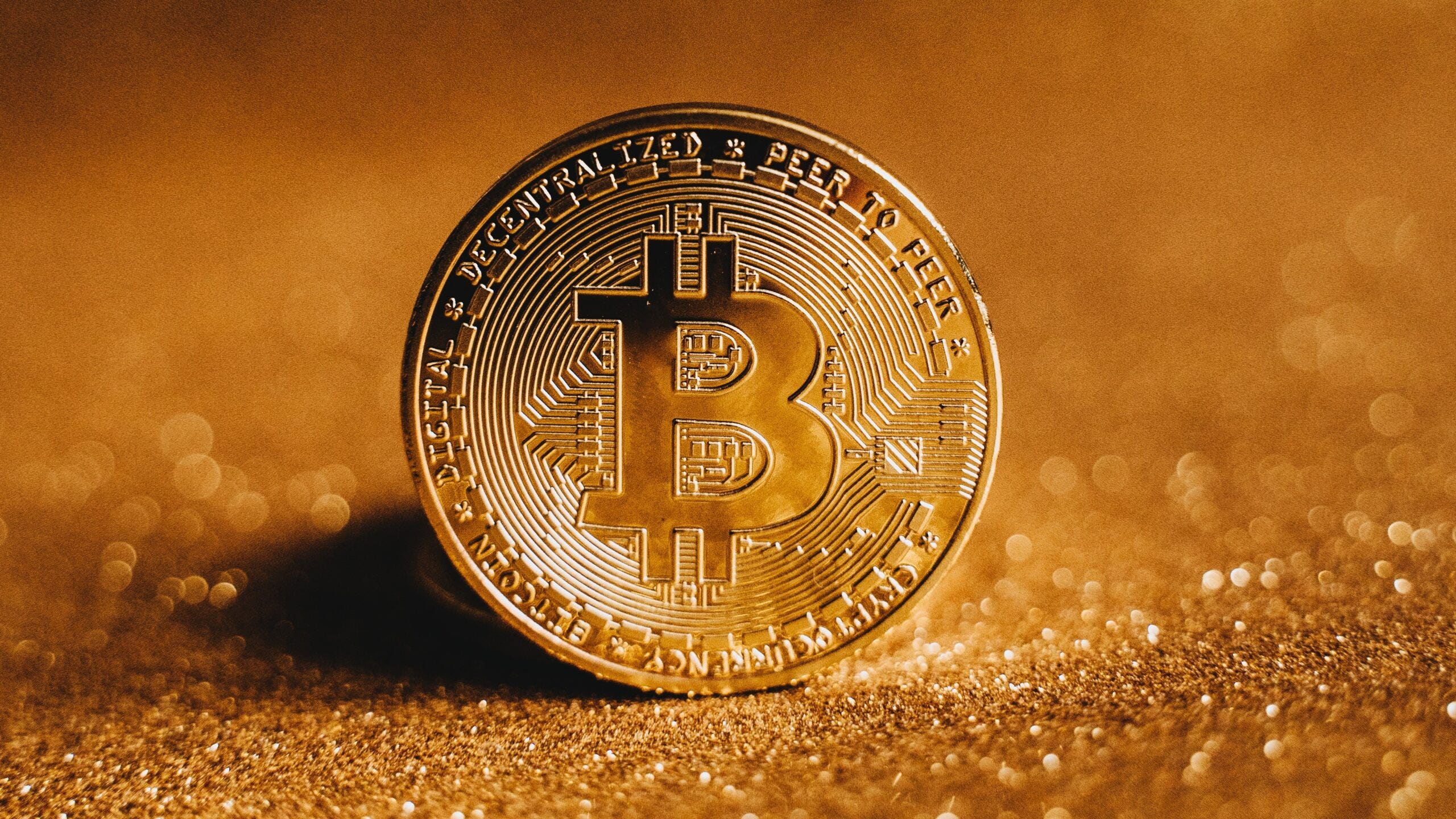
A crypto wallet does not actually hold your coins like a leather wallet holds cash. Your digital money stays on the internet network, while your wallet holds the secret keys that prove the money belongs to you. If you lose those keys, you lose access to your funds forever.
Think of a crypto wallet like a key to a safe deposit box at a bank. The bank building is the public network, and the box holds your funds. Anyone can walk into the bank and look at the outside of your box, but only your secret key can unlock it and move the cash inside.
What is a crypto wallet and why do you need one?
Every coin you own lives on a public digital ledger called a blockchain. The wallet is just a tool, like an app or a USB stick, that communicates with that ledger. Without a wallet, you cannot send, receive, or spend any digital currency.
When you sign up for a website to buy coins, that company often keeps your keys for you. That is easy to use, but it means you are trusting the company with your cash. If that company goes broke or gets hacked, your coins might vanish overnight. Having your own wallet puts you in total control of your money.
I learned this lesson the hard way back in 2022 when a major exchange shut down. Thousands of people lost their life savings because they left their funds on the platform instead of moving them to a private wallet. Taking control of your keys means taking control of your financial future.

Public keys and private keys explained simply
Every wallet comes with two different main parts that work together. People call these your public key and your private key. They are just long strings of numbers and letters, but they do completely different jobs.
Your public key works just like your home mailing address or your bank account number. You can share it with anyone in the world without any risk. If a friend wants to send you five dollars in digital cash, you give them your public key so they know where to send it.
Your private key is like the password to your online bank account or the key to your front door. You must never show it to anyone, not even customer support. If someone gets your private key, they can steal all your coins in a few seconds, and no one can get them back for you.
To understand how these keys talk to each other, you can read our plain breakdown of What Is Blockchain? A Simple Guide for Beginners. It shows how transactions get saved on the shared network.
How a transaction actually happens step by step
Imagine you want to buy a cup of coffee using digital money. The coffee shop owner shows you a QR code on their counter. That QR code contains their public address.
First, you open your wallet app on your phone and scan the code. Next, you type in the amount of money you want to pay, like four dollars. Then, you tap send. At that exact moment, your wallet app uses your hidden private key to create a digital signature.
This signature proves to the whole network that you own the money without ever revealing your hidden key. The network checks the signature, confirms you have enough funds, and moves the coins to the coffee shop owner. The whole process usually takes anywhere from a few seconds to a few minutes.
Every single transaction gets saved on the public ledger. You can learn more about how cryptocurrency networks run by looking into how different digital assets handle speed and fees.
Hot wallets versus cold wallets
Crypto wallets come in two main types: hot wallets and cold wallets. The main difference between them comes down to whether or not they connect to the internet.
A hot wallet is an app you download onto your phone or desktop computer. Examples include apps like MetaMask or Trust Wallet. They are very easy to setup, free to use, and great for daily trading. But because your phone is connected to the web, a bad phone virus or fake website could try to steal your keys.
A cold wallet is a small physical device that looks a lot like a USB flash drive. Brands like Ledger or Trezor are popular picks. These devices cost between sixty and two hundred dollars. They keep your secret keys completely offline, isolated from web hackers.
If you only plan to hold fifty dollars of coin for fun, a free hot wallet works fine. But if you hold savings that would hurt to lose, buying a cold wallet is a smart move. Think of a hot wallet like the cash in your pocket, while a cold wallet is the heavy safe bolted to your bedroom floor.
What is a seed phrase and why is it vital?
When you set up a new wallet, the app will show you twelve or twenty-four random simple words. This list of words is your recovery seed phrase. It is the master code for your entire wallet.
If your phone breaks, falls in water, or gets stolen, you do not lose your money forever. You can just buy a new phone, download the wallet app again, and type in those twelve words. Boom, all your money appears again right on your new screen.
Never type your seed phrase into a computer document, never take a picture of it, and never store it in your email. Hackers use simple tools to scan web drives for seed phrase pictures. Write your words down on paper with a good pen, make two copies, and hide them in safe places away from water and fire.
A friend of mine once lost three thousand dollars because he saved his seed phrase in a text file on his laptop. A thief gained access to his web drive and drained the account before my friend even woke up. Treat those words like real stack of paper bills.
Common traps and how to avoid losing your funds
Using your own wallet puts you in total charge, but it also means there is no customer service line to call if you make a mistake. If you send money to the wrong address, that money is gone forever. Nobody can reverse a bad transaction for you.
Scammers love to send fake emails or set up fake websites that look just like real wallet companies. They will tell you that your wallet is locked and ask you to type in your twelve seed words to fix it. Real wallet makers will never ask you for your recovery words for any reason.
Always double check the first four and last four digits of any wallet address before you press the send button. Bad software on your computer can copy a thief's address to your clipboard when you try to paste. Taking ten extra seconds to check the numbers saves you from big pain later.
To keep learning about keeping your assets safe, you can read more useful guides on our crypto basics hub. Staying safe requires building good habits from your very first day.
How to pick the right wallet for you
Choosing the right wallet starts with asking yourself how you plan to use your funds. Are you looking to trade often, or do you want to store your assets for years without touching them?
If you want to buy small amounts every month and just hold, buy a hardware cold wallet directly from the official maker website. Never buy a used hardware wallet from secondary shopping sites, because someone might have modified the device to steal your coins.
If you want to interact with digital apps, buy digital items, or move money often, a reliable browser wallet app works great. Just make sure you download it from official store pages and keep your recovery paper hidden safe in your home.
Start small while you are still learning the ropes. Send a tiny five dollar transaction first to make sure you know how it works before you move larger amounts of money. Learning the steps with small cash builds your confidence quickly.
What kind of wallet sounds like the best fit for your own daily routine? Take your time, set up your backup paper carefully, and test your new setup with a small amount first.


Comments
Post a Comment